
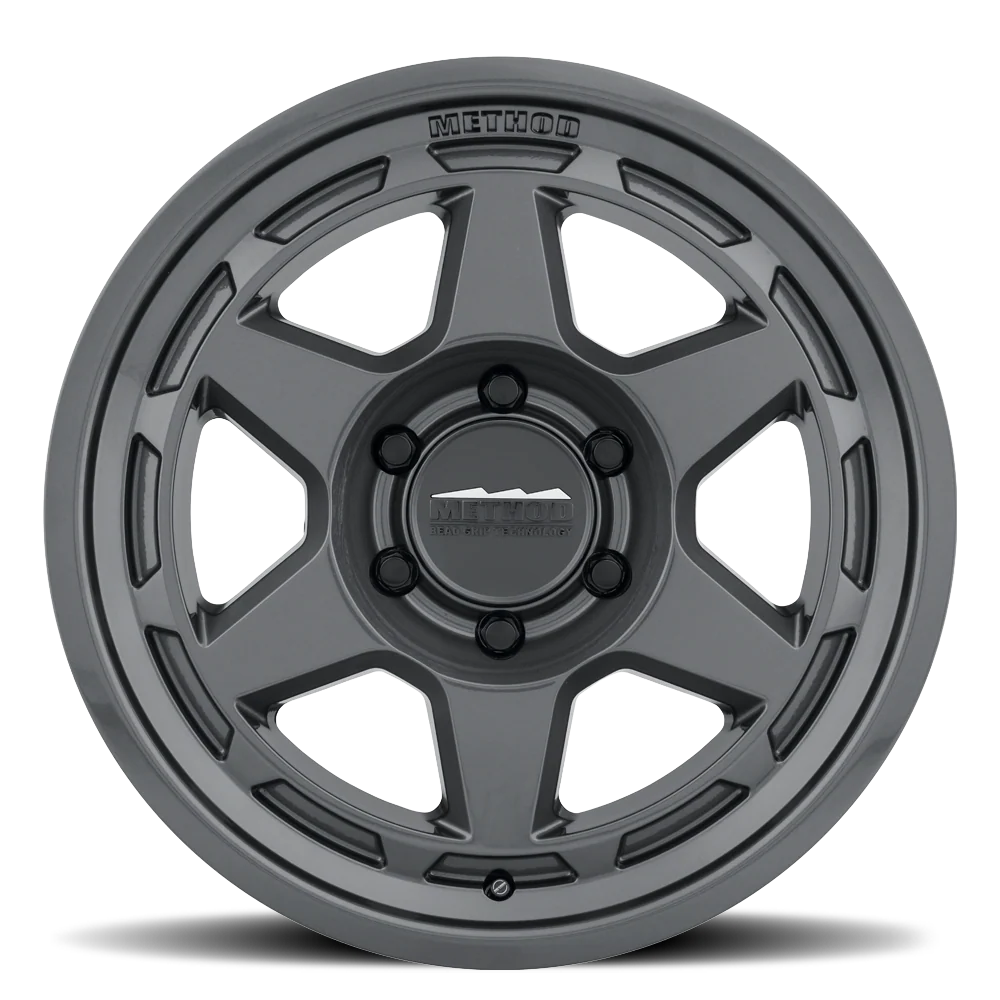
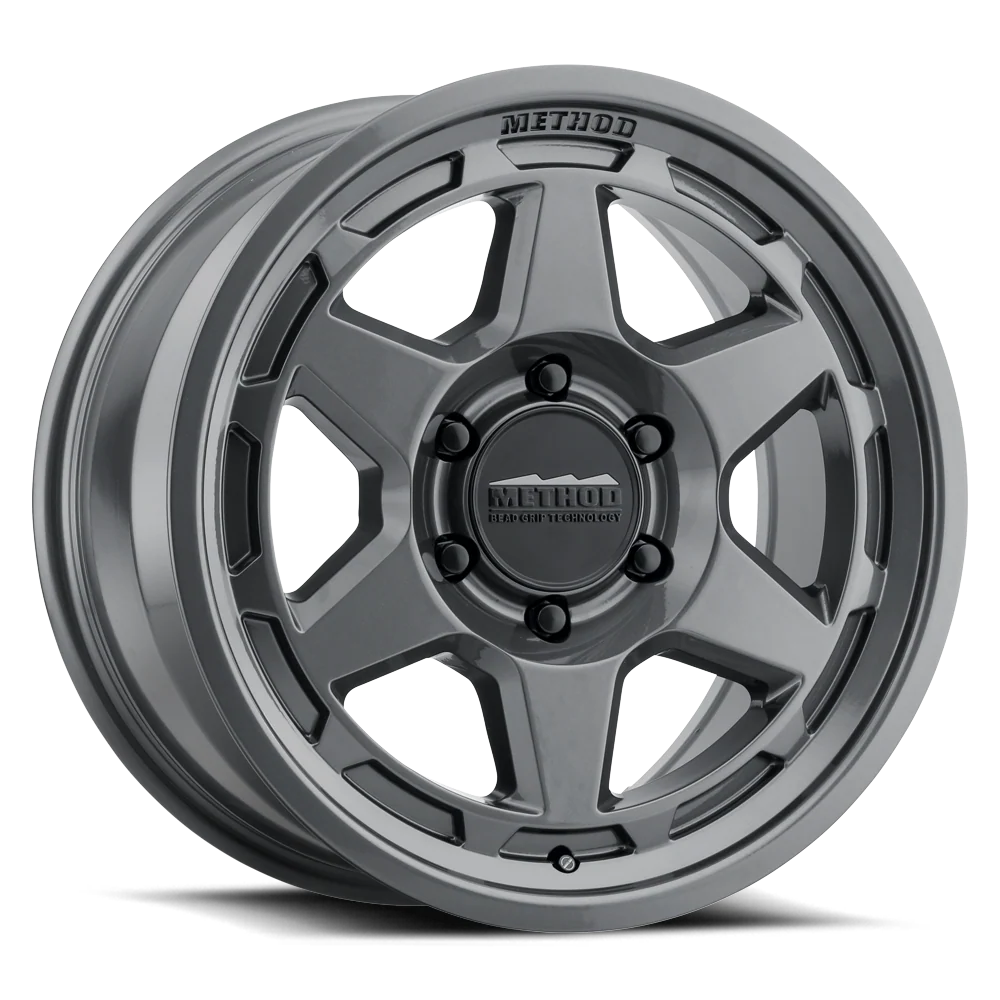
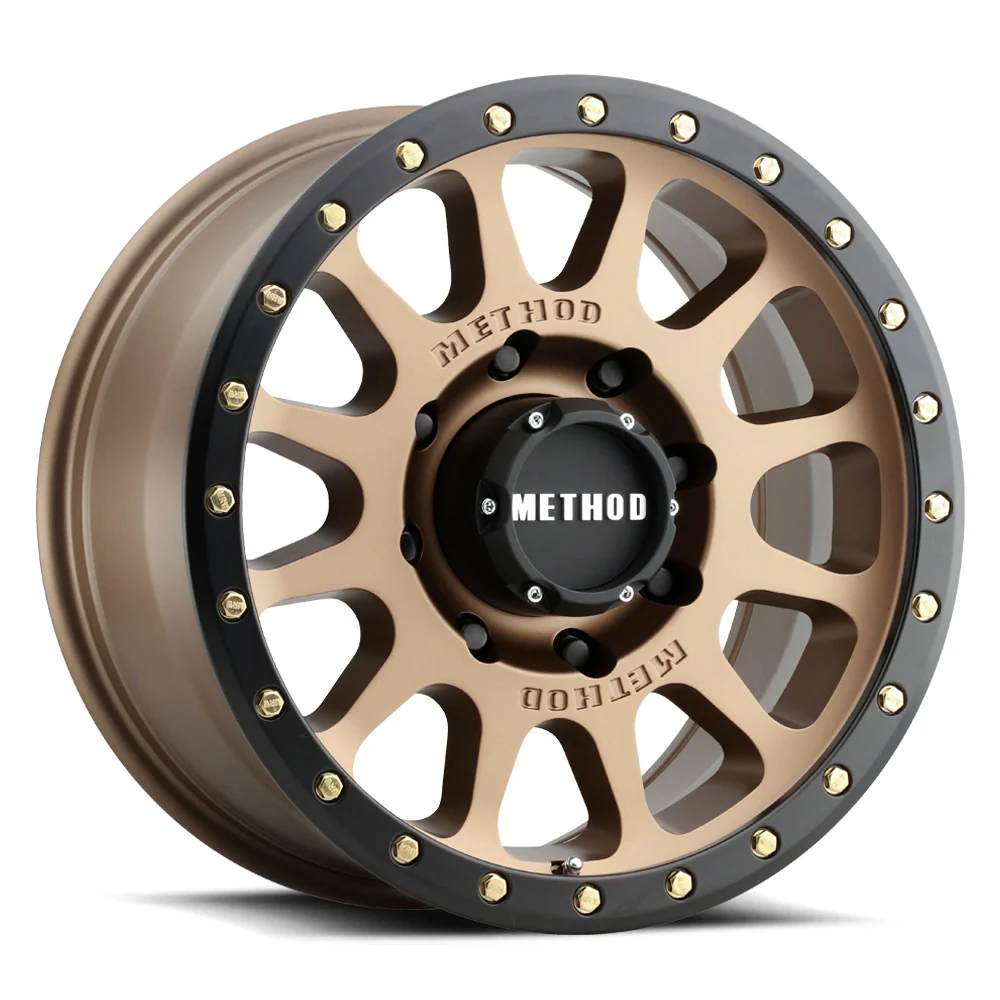
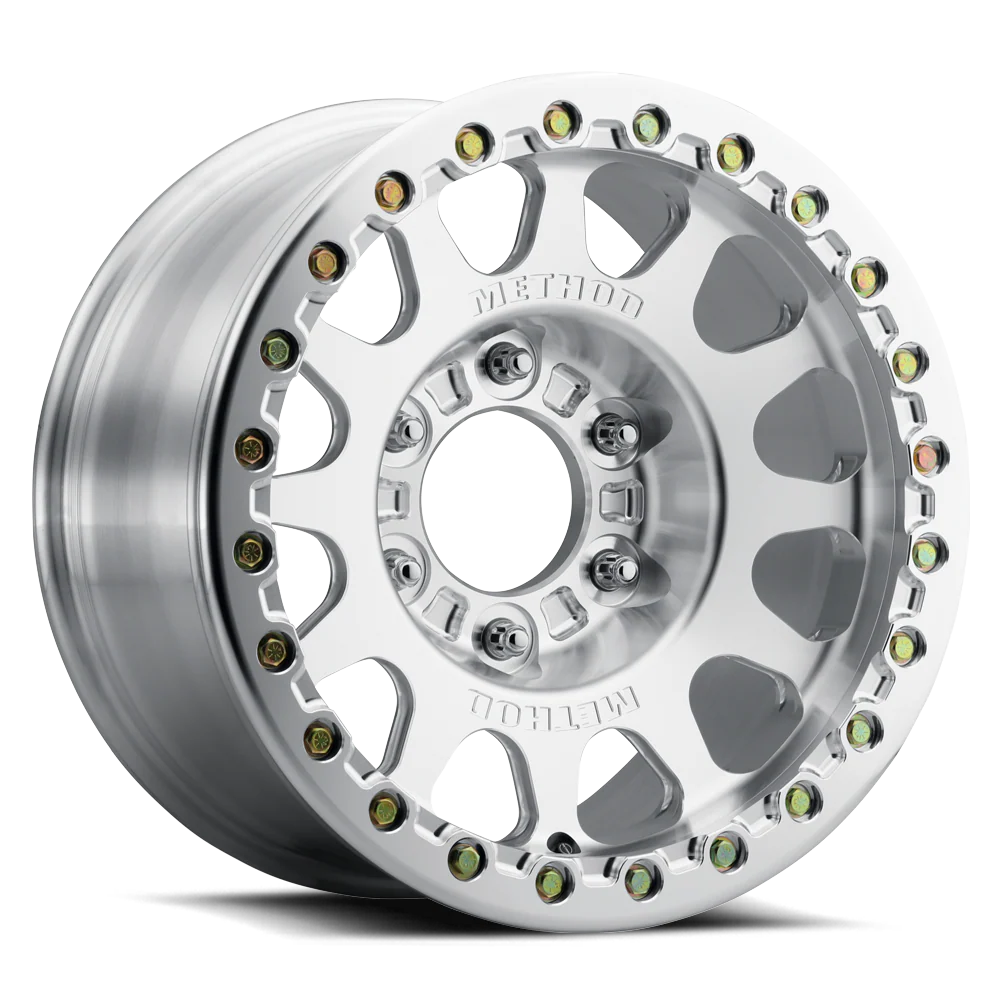
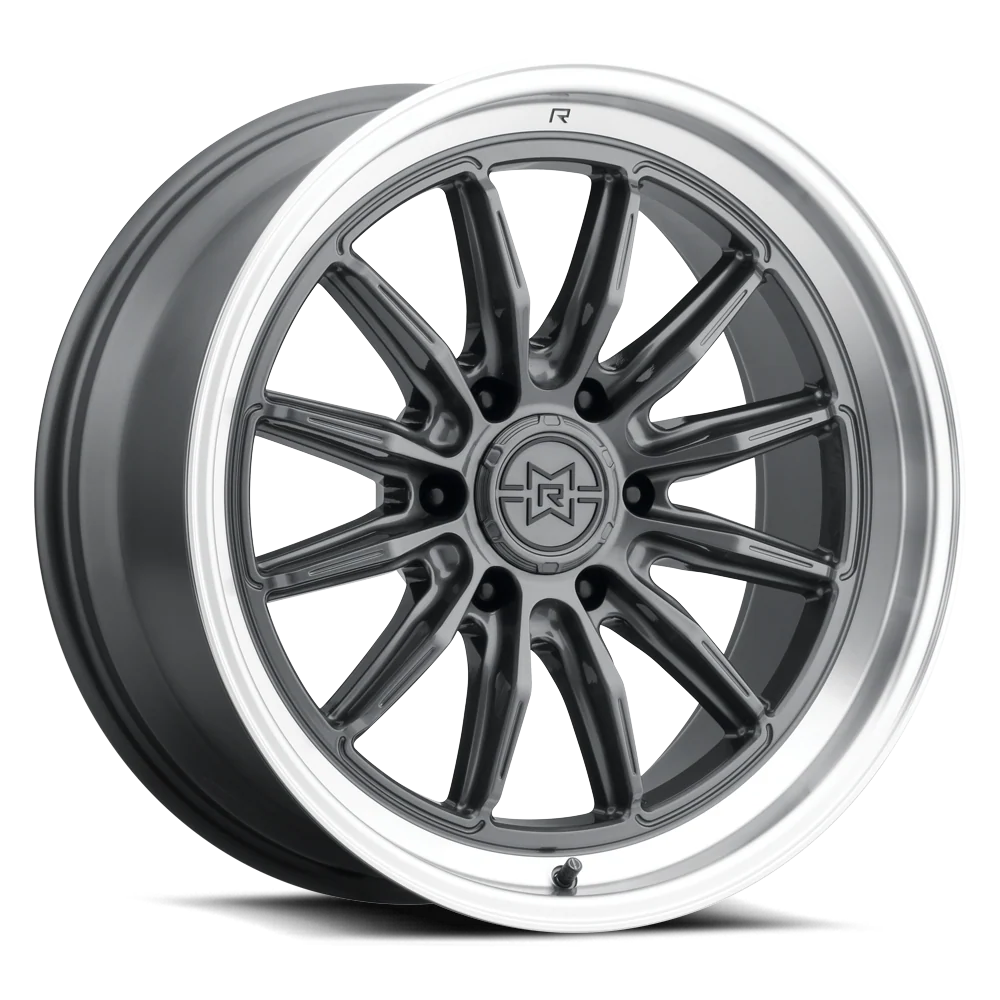
327 Gloss Method Bronze®
Designed to leave a lasting impression, introducing Method Race Wheel’s 323 Gloss Method Bronze® Standard. Engineered with a fresh face lift to the iconic 12 window design, this wheel is a statement of classic Method style and functionality. Also available in Gloss Black and includes the popular Method TOPO center cap.
| Color | Black, Brown, gray |
|---|---|
| vehicle model | Cherokeee, Compass, Wrangler |
| vehicle year | 2010, 2011, 2012, 2013, 2014, 2015, 2016 |
| vehicle make | Ford, GMC, Kia, Toyota |
- Pricing varies by terms. Contact sales for quote.
Product Overview
YUGOLE forged wheels are specifically engineered for high-performance vehicles and heavy-duty commercial applications. Leveraging a 10,000-ton high-pressure forging process, we reshape aerospace-grade aluminum alloy into an exceptionally lightweight structure while delivering superior strength and fatigue resistance far beyond traditional cast wheels. Whether for daily street driving, track competitions, or heavy-duty off-road conditions, YUGOLE provides confident handling feedback and enduring safety reliability.
Technical Parameters
Standard specifications of CNC machining center
| Item | Specification |
| Material | Aerospace-grade 6061-T6 Aluminum |
| Manufacturing Process | 10,000-ton High-pressure Forging |
| Diameter | 17 – 26 inches |
| Width | 7.5 – 14 inches |
| PCD | Precisely customized to vehicle specs |
| CB | Customized based on vehicle specs |
| ET | Flexibly customizable |
| Load Capacity | 700 – 1200 kg |
| Surface Finish | Brushed, Polished, Two-tone, Custom Paint |
Frequently Asked Questions
OEM/ ODM services, professioanl and efficient sales support and after sales service, and global shipping.
Your car brand, model, and year; or the wheel diameter, width, PCD/ bolt patter , CB/ center bore , ET/offset, and finish.
4PCS. Better prices for more quantities.
50% down payment to start production, the 50% balance payment prior to shipment.
Pay directly through Alibaba Trade Assurance.
Estimated 15 working days for 1-PC wheels;
estimated 30 working days for 2-PC wheels.
By sea/ by train/ by air/ by courier/ by truck.
5 years for wheel structure, 2 years for coated/ polished/ brushed finish, 1 year for Chrome.
The warranty does not cover man-made damage.
| Color | Black, Brown, gray |
|---|---|
| vehicle model | Cherokeee, Compass, Wrangler |
| vehicle year | 2010, 2011, 2012, 2013, 2014, 2015, 2016 |
| vehicle make | Ford, GMC, Kia, Toyota |
Key parameters you need to confirm before ordering custom wheels
To ensure the forged wheels fit your vehicle perfectly, please confirm the following critical wheel parameters before placing your order: PCD (lug pattern), ET (offset), CB (center bore/hub bore), wheel size (diameter × width), and bolt spec (thread size).
1. PCD — Pitch Circle Diameter
It refers to the diameter of the circle formed by wheel bolt holes. For example: 5×114.3 means 5 bolt holes on a circle of 114.3 mm diameter. Wrong PCD will make wheels unable to mount onto the hub.
2. ET / Offset
Offset (ET value) is the distance between the wheel’s mounting surface and the wheel centerline.
Positive ET: mounting surface is outside the wheel centerline, wheel sits further inward toward suspension.
Negative ET: mounting surface is inside the wheel centerline, wheel sticks out further from the fender.
ET directly controls wheel position: inward flush or outward poke. Incorrect offset may cause tire rubbing against fenders or suspension parts.
3. CB — Center Bore / Hub Bore
Center bore is the central hole diameter on the back of wheel, which fits over the vehicle hub. The wheel CB must match or be larger than vehicle hub diameter. If wheel CB is bigger, hub-centric rings are required to eliminate vibration at high-speed driving.
4. Wheel Size (Width × Diameter)
Example: 18×9.5 (18 = wheel diameter in inches; 9.5 = wheel width in inches). Wheel width decides suitable tire width range.
5. Bolt spec (thread size)
Such as M12×1.5, M14×1.5. Confirm vehicle bolt thread specification for matching lug nuts.
Note: If you do not know these data, you can provide us your complete vehicle information: car brand, model, year, original wheel size. We will check and recommend suitable parameters for you.
How We Control Quality: From Raw Aluminum Bar to Finished Wheel
Every forged wheel goes through strict multi-stage inspection throughout the whole production process, from incoming raw material to finished product delivery, to guarantee safety, appearance and dimensional accuracy.
1. Raw Material Inspection — Aluminum Bar incoming check
Verify 6061-T6 aluminum billet chemical composition and mechanical property certificates. We conduct composition and hardness tests on every single aluminum bar. Reject unqualified aluminum bars before production.
2. Forging Process Inspection
Check forging temperature, pressing pressure and forming condition. Visual inspection for cracks, folds or surface defects after hot forging.
3. Heat-Treatment Inspection (T6 temper)
Monitor solution treatment & artificial aging temperature and time. Hardness test after T6 heat-treatment to make sure material reaches required mechanical performance.
4. CNC Machining & Dimensional Inspection
Precision dimension checking: PCD, ET(offset), CB center bore, wheel width & diameter. Run-out test to control circular run-out and face run-out. Thread hole inspection for bolt holes.
5. Surface-Treatment Inspection (Painting / Polishing / Brushing)
Visual check: no orange peel, no pinholes, no scratches, no paint leakage. Coating thickness test, adhesion test for paint layer. Salt spray test to confirm corrosion resistance performance.
6. Finished-Product Safety Test
Impact test, radial fatigue test, cornering fatigue test according to DOT / TÜV / JWL standards. Detect invisible internal cracks by penetration testing.
7. Final Full Inspection before Packing
100-percent visual appearance check.
To ensure the forged wheels fit your vehicle perfectly, please confirm the following critical wheel parameters before placing your order: PCD (lug pattern), ET (offset), CB (center bore/hub bore), wheel size (diameter × width), and bolt spec (thread size).
1. PCD — Pitch Circle Diameter
It refers to the diameter of the circle formed by wheel bolt holes. For example: 5×114.3 means 5 bolt holes on a circle of 114.3 mm diameter. Wrong PCD will make wheels unable to mount onto the hub.
2. ET / Offset
Offset (ET value) is the distance between the wheel’s mounting surface and the wheel centerline.
Positive ET: mounting surface is outside the wheel centerline, wheel sits further inward toward suspension.
Negative ET: mounting surface is inside the wheel centerline, wheel sticks out further from the fender.
ET directly controls wheel position: inward flush or outward poke. Incorrect offset may cause tire rubbing against fenders or suspension parts.
3. CB — Center Bore / Hub Bore
Center bore is the central hole diameter on the back of wheel, which fits over the vehicle hub. The wheel CB must match or be larger than vehicle hub diameter. If wheel CB is bigger, hub-centric rings are required to eliminate vibration at high-speed driving.
4. Wheel Size (Width × Diameter)
Example: 18×9.5 (18 = wheel diameter in inches; 9.5 = wheel width in inches). Wheel width decides suitable tire width range.
5. Bolt spec (thread size)
Such as M12×1.5, M14×1.5. Confirm vehicle bolt thread specification for matching lug nuts.
Note: If you do not know these data, you can provide us your complete vehicle information: car brand, model, year, original wheel size. We will check and recommend suitable parameters for you.
Key parameters you need to confirm before ordering custom wheels
To ensure the forged wheels fit your vehicle perfectly, please confirm the following critical wheel parameters before placing your order: PCD (lug pattern), ET (offset), CB (center bore/hub bore), wheel size (diameter × width), and bolt spec (thread size).
1. PCD — Pitch Circle Diameter
It refers to the diameter of the circle formed by wheel bolt holes. For example: 5×114.3 means 5 bolt holes on a circle of 114.3 mm diameter. Wrong PCD will make wheels unable to mount onto the hub.
2. ET / Offset
Offset (ET value) is the distance between the wheel’s mounting surface and the wheel centerline.
Positive ET: mounting surface is outside the wheel centerline, wheel sits further inward toward suspension.
Negative ET: mounting surface is inside the wheel centerline, wheel sticks out further from the fender.
ET directly controls wheel position: inward flush or outward poke. Incorrect offset may cause tire rubbing against fenders or suspension parts.
3. CB — Center Bore / Hub Bore
Center bore is the central hole diameter on the back of wheel, which fits over the vehicle hub. The wheel CB must match or be larger than vehicle hub diameter. If wheel CB is bigger, hub-centric rings are required to eliminate vibration at high-speed driving.
4. Wheel Size (Width × Diameter)
Example: 18×9.5 (18 = wheel diameter in inches; 9.5 = wheel width in inches). Wheel width decides suitable tire width range.
5. Bolt spec (thread size)
Such as M12×1.5, M14×1.5. Confirm vehicle bolt thread specification for matching lug nuts.
Note: If you do not know these data, you can provide us your complete vehicle information: car brand, model, year, original wheel size. We will check and recommend suitable parameters for you.
How We Control Quality: From Raw Aluminum Bar to Finished Wheel
Every forged wheel goes through strict multi-stage inspection throughout the whole production process, from incoming raw material to finished product delivery, to guarantee safety, appearance and dimensional accuracy.
1. Raw Material Inspection — Aluminum Bar incoming check
Verify 6061-T6 aluminum billet chemical composition and mechanical property certificates. We conduct composition and hardness tests on every single aluminum bar. Reject unqualified aluminum bars before production.
2. Forging Process Inspection
Check forging temperature, pressing pressure and forming condition. Visual inspection for cracks, folds or surface defects after hot forging.
3. Heat-Treatment Inspection (T6 temper)
Monitor solution treatment & artificial aging temperature and time. Hardness test after T6 heat-treatment to make sure material reaches required mechanical performance.
4. CNC Machining & Dimensional Inspection
Precision dimension checking: PCD, ET(offset), CB center bore, wheel width & diameter. Run-out test to control circular run-out and face run-out. Thread hole inspection for bolt holes.
5. Surface-Treatment Inspection (Painting / Polishing / Brushing)
Visual check: no orange peel, no pinholes, no scratches, no paint leakage. Coating thickness test, adhesion test for paint layer. Salt spray test to confirm corrosion resistance performance.
6. Finished-Product Safety Test
Impact test, radial fatigue test, cornering fatigue test according to DOT / TÜV / JWL standards. Detect invisible internal cracks by penetration testing.
7. Final Full Inspection before Packing
100-percent visual appearance check.
To ensure the forged wheels fit your vehicle perfectly, please confirm the following critical wheel parameters before placing your order: PCD (lug pattern), ET (offset), CB (center bore/hub bore), wheel size (diameter × width), and bolt spec (thread size).
1. PCD — Pitch Circle Diameter
It refers to the diameter of the circle formed by wheel bolt holes. For example: 5×114.3 means 5 bolt holes on a circle of 114.3 mm diameter. Wrong PCD will make wheels unable to mount onto the hub.
2. ET / Offset
Offset (ET value) is the distance between the wheel’s mounting surface and the wheel centerline.
Positive ET: mounting surface is outside the wheel centerline, wheel sits further inward toward suspension.
Negative ET: mounting surface is inside the wheel centerline, wheel sticks out further from the fender.
ET directly controls wheel position: inward flush or outward poke. Incorrect offset may cause tire rubbing against fenders or suspension parts.
3. CB — Center Bore / Hub Bore
Center bore is the central hole diameter on the back of wheel, which fits over the vehicle hub. The wheel CB must match or be larger than vehicle hub diameter. If wheel CB is bigger, hub-centric rings are required to eliminate vibration at high-speed driving.
4. Wheel Size (Width × Diameter)
Example: 18×9.5 (18 = wheel diameter in inches; 9.5 = wheel width in inches). Wheel width decides suitable tire width range.
5. Bolt spec (thread size)
Such as M12×1.5, M14×1.5. Confirm vehicle bolt thread specification for matching lug nuts.
Note: If you do not know these data, you can provide us your complete vehicle information: car brand, model, year, original wheel size. We will check and recommend suitable parameters for you.
Key parameters you need to confirm before ordering custom wheels
To ensure the forged wheels fit your vehicle perfectly, please confirm the following critical wheel parameters before placing your order: PCD (lug pattern), ET (offset), CB (center bore/hub bore), wheel size (diameter × width), and bolt spec (thread size).
1. PCD — Pitch Circle Diameter
It refers to the diameter of the circle formed by wheel bolt holes. For example: 5×114.3 means 5 bolt holes on a circle of 114.3 mm diameter. Wrong PCD will make wheels unable to mount onto the hub.
2. ET / Offset
Offset (ET value) is the distance between the wheel’s mounting surface and the wheel centerline.
Positive ET: mounting surface is outside the wheel centerline, wheel sits further inward toward suspension.
Negative ET: mounting surface is inside the wheel centerline, wheel sticks out further from the fender.
ET directly controls wheel position: inward flush or outward poke. Incorrect offset may cause tire rubbing against fenders or suspension parts.
3. CB — Center Bore / Hub Bore
Center bore is the central hole diameter on the back of wheel, which fits over the vehicle hub. The wheel CB must match or be larger than vehicle hub diameter. If wheel CB is bigger, hub-centric rings are required to eliminate vibration at high-speed driving.
4. Wheel Size (Width × Diameter)
Example: 18×9.5 (18 = wheel diameter in inches; 9.5 = wheel width in inches). Wheel width decides suitable tire width range.
5. Bolt spec (thread size)
Such as M12×1.5, M14×1.5. Confirm vehicle bolt thread specification for matching lug nuts.
Note: If you do not know these data, you can provide us your complete vehicle information: car brand, model, year, original wheel size. We will check and recommend suitable parameters for you.
How We Control Quality: From Raw Aluminum Bar to Finished Wheel
Every forged wheel goes through strict multi-stage inspection throughout the whole production process, from incoming raw material to finished product delivery, to guarantee safety, appearance and dimensional accuracy.
1. Raw Material Inspection — Aluminum Bar incoming check
Verify 6061-T6 aluminum billet chemical composition and mechanical property certificates. We conduct composition and hardness tests on every single aluminum bar. Reject unqualified aluminum bars before production.
2. Forging Process Inspection
Check forging temperature, pressing pressure and forming condition. Visual inspection for cracks, folds or surface defects after hot forging.
3. Heat-Treatment Inspection (T6 temper)
Monitor solution treatment & artificial aging temperature and time. Hardness test after T6 heat-treatment to make sure material reaches required mechanical performance.
4. CNC Machining & Dimensional Inspection
Precision dimension checking: PCD, ET(offset), CB center bore, wheel width & diameter. Run-out test to control circular run-out and face run-out. Thread hole inspection for bolt holes.
5. Surface-Treatment Inspection (Painting / Polishing / Brushing)
Visual check: no orange peel, no pinholes, no scratches, no paint leakage. Coating thickness test, adhesion test for paint layer. Salt spray test to confirm corrosion resistance performance.
6. Finished-Product Safety Test
Impact test, radial fatigue test, cornering fatigue test according to DOT / TÜV / JWL standards. Detect invisible internal cracks by penetration testing.
7. Final Full Inspection before Packing
100-percent visual appearance check.
To ensure the forged wheels fit your vehicle perfectly, please confirm the following critical wheel parameters before placing your order: PCD (lug pattern), ET (offset), CB (center bore/hub bore), wheel size (diameter × width), and bolt spec (thread size).
1. PCD — Pitch Circle Diameter
It refers to the diameter of the circle formed by wheel bolt holes. For example: 5×114.3 means 5 bolt holes on a circle of 114.3 mm diameter. Wrong PCD will make wheels unable to mount onto the hub.
2. ET / Offset
Offset (ET value) is the distance between the wheel’s mounting surface and the wheel centerline.
Positive ET: mounting surface is outside the wheel centerline, wheel sits further inward toward suspension.
Negative ET: mounting surface is inside the wheel centerline, wheel sticks out further from the fender.
ET directly controls wheel position: inward flush or outward poke. Incorrect offset may cause tire rubbing against fenders or suspension parts.
3. CB — Center Bore / Hub Bore
Center bore is the central hole diameter on the back of wheel, which fits over the vehicle hub. The wheel CB must match or be larger than vehicle hub diameter. If wheel CB is bigger, hub-centric rings are required to eliminate vibration at high-speed driving.
4. Wheel Size (Width × Diameter)
Example: 18×9.5 (18 = wheel diameter in inches; 9.5 = wheel width in inches). Wheel width decides suitable tire width range.
5. Bolt spec (thread size)
Such as M12×1.5, M14×1.5. Confirm vehicle bolt thread specification for matching lug nuts.
Note: If you do not know these data, you can provide us your complete vehicle information: car brand, model, year, original wheel size. We will check and recommend suitable parameters for you.
评价
There are no reviews yet.